
How To Read A Real Estate Listing Like A Pro
How to read a real estate listing like a pro starts with knowing that every word and number is chosen to grab attention and sometimes to hide flaws. Once you understand the code, you can skim faster, spot red flags, and focus only on homes that truly fit you.
Key Parts Of A Listing And What They Mean
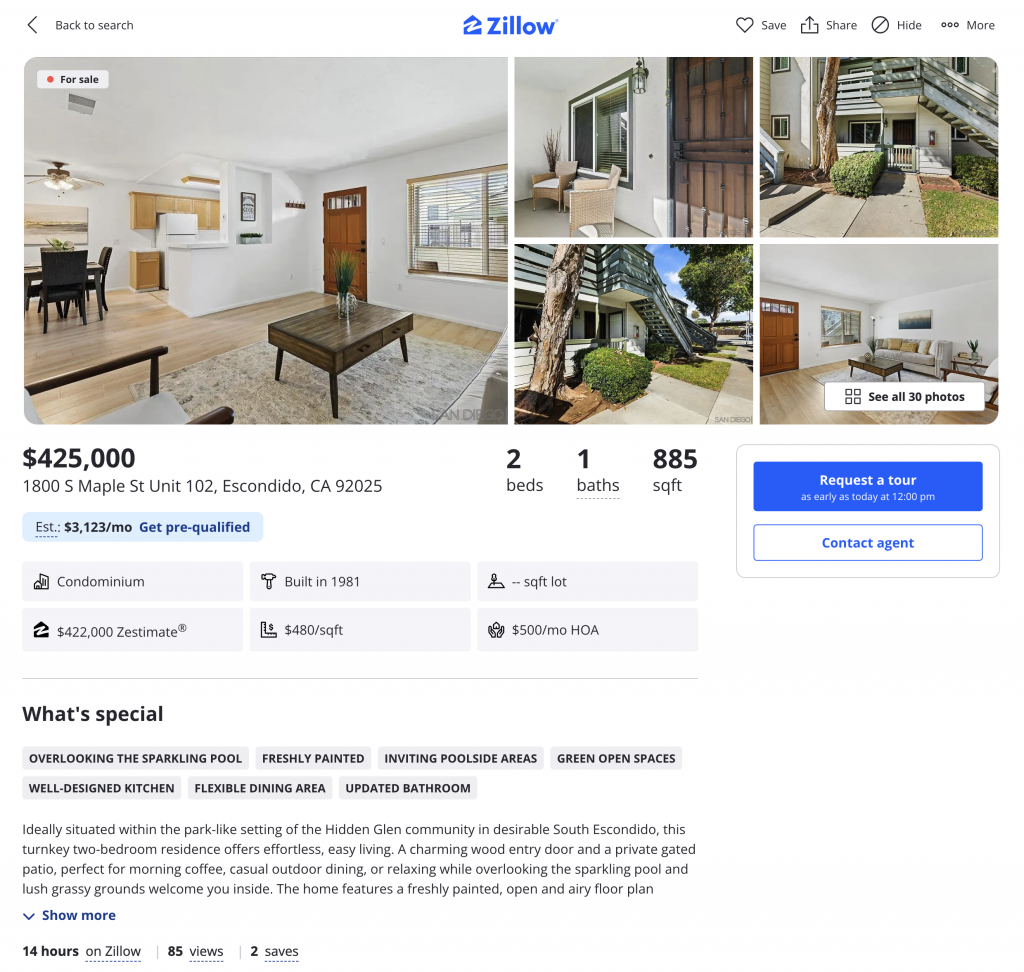
First, look at the basics. Price, beds, baths, square footage, and year built tell you if the home should even stay on your list. Then check days on market and price history. A home that has sat for a long time or had multiple price cuts may have condition issues or was overpriced at first.
Next, pay attention to property type and HOA information. Single-family homes usually offer more privacy but may have more maintenance. Condos and townhomes can include amenities, yet HOA fees impact your monthly payment.
Common Listing Phrases And What They Really Mean
Many descriptions sound flattering but hint at something else. Here are some examples.
- “Cozy” or “charming” often means smaller than average.
- “Investor special” or “bring your tool belt” usually means the home needs serious work.
- “As is” tells you the seller will not do repairs, even if inspections find problems.
- “Up and coming neighborhood” can mean more construction, mixed property conditions, or changing demographics.
- “Original details” may be lovely, or it may mean no one has updated anything for decades.
These phrases are not always bad. However, they tell you to dig deeper and ask more questions before falling in love with the photos.
Red Flags To Watch For
Because listings are marketing, you should also look for what is missing. If there are very few photos, only one angle of each room, or no pictures of the exterior, the yard, or certain spaces like bathrooms, it may signal issues the seller does not want highlighted.
Also, check for vague location descriptions. If the listing never names a specific neighborhood or school district, confirm the address carefully. In addition, pay attention to phrases like “buyer to verify all information.” That is standard, yet it also reminds you to confirm square footage, permits, and additions.
Finally, be cautious when the price feels far below similar homes in the same area. It could be a great deal, but it could also mean major repairs, foundation problems, or an unusual lot shape or easement.
Sample Listing And How To Read It
Here is a simple, fictional sample listing and how a pro would read it.
“Beautiful 3 bed, 2 bath home in highly desirable Sunset Heights. Cozy 1,250 square feet with open concept living. Updated kitchen with stainless appliances and quartz counters. Original hardwood floors add charm. Large lot with potential. Detached garage perfect for ADU. Home sold as is. Buyer to verify all information and permits.”
How to read it like a pro:
- “Beautiful” and “highly desirable” tell you the neighborhood is a selling point.
- “Cozy 1,250 square feet” hints that the home is on the smaller side for three bedrooms.
- “Updated kitchen” is a plus. You would still want to confirm the age of appliances and quality of work.
- “Original hardwood floors” may mean no recent flooring updates elsewhere.
- “Large lot with potential” sounds exciting, but you should ask if there are slope issues, easements, or limits on building.
- “Detached garage perfect for ADU” is an idea, not a guarantee. You would need to confirm zoning and permits.
- “Home sold as is” clearly tells you the seller will not make repairs. This is fine, yet you should budget for fixes after closing.
How To Use Photos And Floor Plans
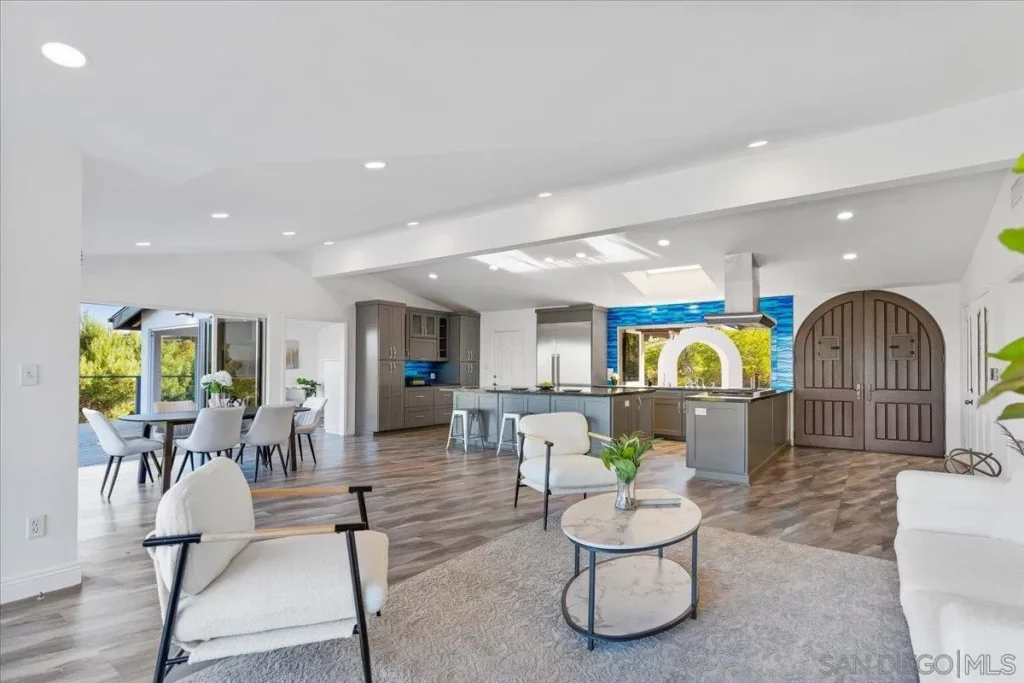
Photos are powerful, but they are also curated. Look for consistent flooring, natural light, and realistic perspectives. Watch for extreme wide-angle shots that make rooms appear larger than they are. If every blind is closed, there may be a poor view or privacy concern.
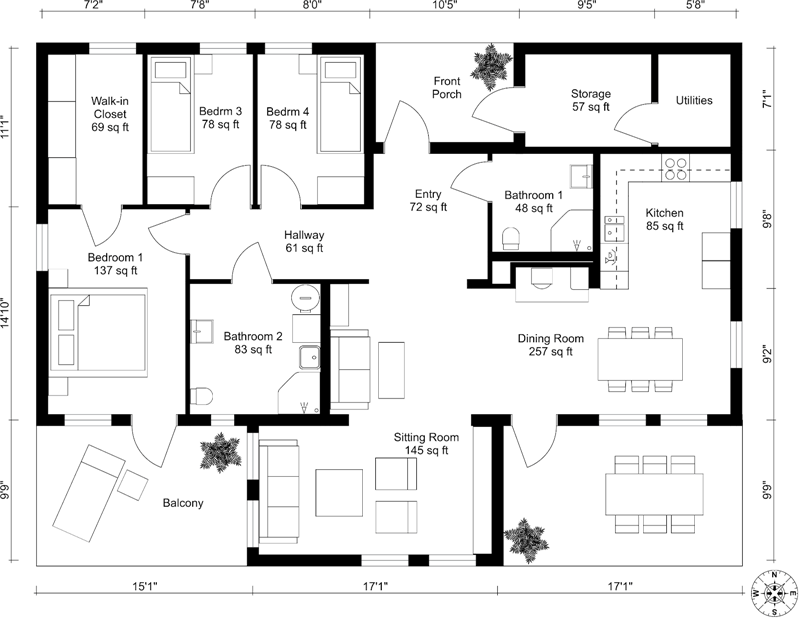
Floor plans, when available, help you understand flow. Check whether bedrooms share walls with living spaces, whether the primary suite sits near kids’ rooms, and if there is direct access to outdoor space from main living areas. If there is no floor plan and the layout matters to you, make a note to ask for one or prioritize an in person tour.
Simple Checklist For Reading Listings Like A Pro
Here is a quick checklist you can save for your next search.
- Confirm price, beds, baths, and square footage fit your target.
- Check days on market and price changes.
- Note HOA dues and what they cover, if any.
- Translate marketing phrases into plain language.
- Look for missing photos or angles and make a list of questions.
- Review location, schools, and property type details.
- Use tax records or mapping tools to confirm lot size and surroundings.
- Flag red words like “as is,” “cash only,” or “unpermitted” for deeper review.