
The Real ROI of an ADU in San Diego: Numbers, Rules, and What to Expect
Accessory dwelling units are having a moment in San Diego, and that moment shows no signs of slowing down. Between California’s sweeping state-level ADU legislation, rising rents across the county, and homeowners looking for ways to offset their mortgage or generate long-term wealth, ADUs have moved from a niche conversation to a mainstream real estate strategy.
But a lot of the information out there is either too optimistic or too vague. This post gives you the actual numbers, the realistic expectations, and the rules you need to understand before you decide whether an ADU makes sense for your property.
First, a Quick Breakdown of ADU Types
Not all ADUs are the same, and the type you build significantly affects your cost, timeline, and return.
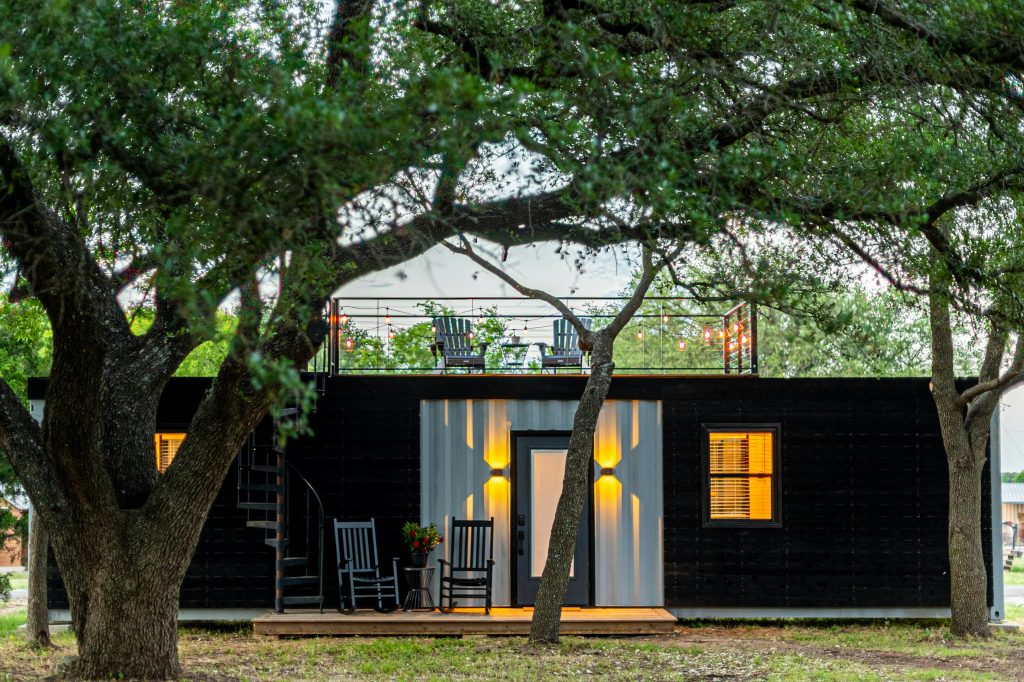
Detached ADU: A standalone structure separate from the main home. Maximum design flexibility. Highest construction cost. Strongest impact on resale value and rental income potential.
Attached ADU: An addition to the existing home that functions as a separate unit with its own entrance, kitchen, and bathroom. More cost-effective than detached in some cases, but requires more structural planning.
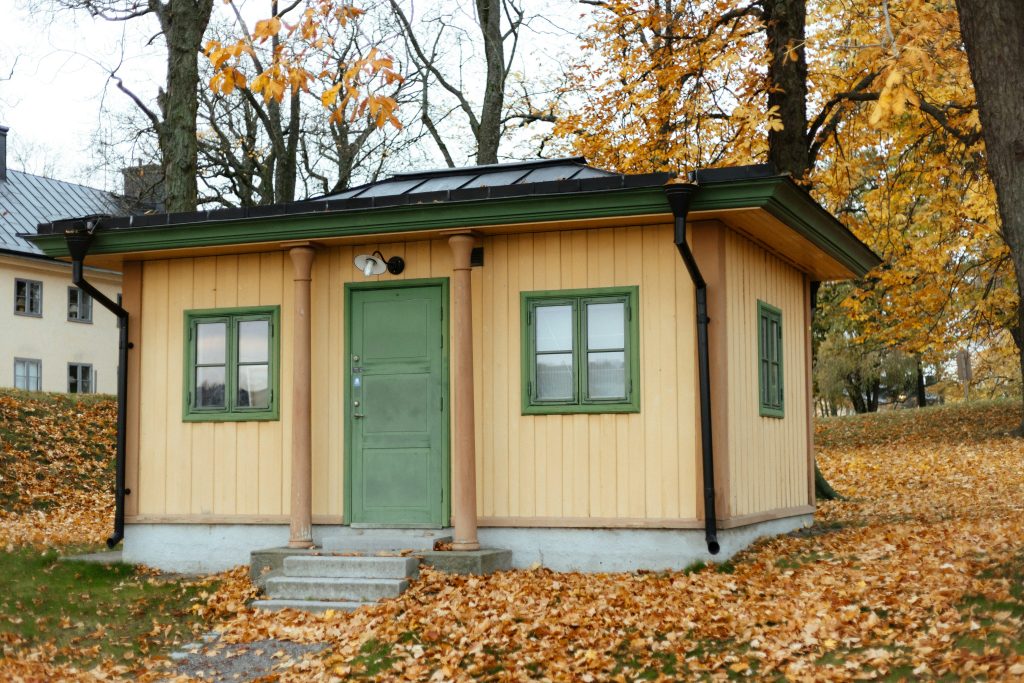
Garage Conversion ADU: Converting an existing attached or detached garage into a livable unit. One of the most cost-effective paths because the structure already exists. Very common in San Diego neighborhoods with older detached garages.
Junior ADU (JADU): A unit created entirely within the existing footprint of the primary home, typically from a bedroom with a separate entrance. Limited to 500 square feet. Lowest cost option. Must share a bathroom with the main home or have its own. Owner must live on the property.
The Numbers: Rental Income Potential in San Diego
San Diego’s rental market is persistently strong. Low vacancy rates, year-round demand, and limited housing supply all work in a landlord’s favor. Here is what ADUs are realistically renting for across different parts of the county as of current market conditions.
Studio or one-bedroom ADU (under 500 sq ft): $1,600 to $2,200 per month, depending on location, finishes, and whether parking is included.
One-bedroom ADU (500 to 700 sq ft): $1,900 to $2,700 per month in inland neighborhoods. $2,200 to $3,000 per month in coastal or near-coastal communities.
Two-bedroom ADU (700 to 1,200 sq ft): $2,500 to $3,500 per month across most of San Diego County. Coastal markets push the top of that range higher.
Annual gross income at the midpoint of these ranges: A one-bedroom ADU renting at $2,300 per month generates $27,600 per year before expenses. A well-located two-bedroom generating $3,000 per month produces $36,000 per year. On a property you already own, that income stream changes the entire financial picture.
These numbers assume a market-rate rental. Some homeowners rent to family members at below-market rates or use their ADU for short-term rentals, which operates under a different set of rules (more on that below).
What It Actually Costs to Build
This is where many online resources get vague. Costs vary significantly depending on the type of ADU, the condition of your existing structure, your location within San Diego County, and the contractor you hire. Here are realistic ranges based on current construction costs in this market.
Junior ADU (JADU) conversion from existing space: $20,000 to $60,000. This is the most accessible entry point. If you have an unused bedroom, bonus room, or in-law suite configuration that already exists, the cost is primarily in permitting, a kitchenette installation, and finishing work.
Garage conversion to ADU: $80,000 to $150,000 for a full conversion including new insulation, HVAC, plumbing, electrical, and finishes. Costs rise if the existing garage slab needs to be raised, or if significant structural work is required.
Attached ADU addition: $150,000 to $250,000 depending on square footage and complexity. You are essentially building new construction that ties into the existing home.
Detached ADU (new construction): $200,000 to $400,000 or more for a fully permitted, move-in ready standalone structure. Prefab and modular ADU options have expanded significantly and can bring costs closer to the lower end of this range while compressing the construction timeline.
Permit and soft costs: Plan to budget $15,000 to $35,000 for permitting, architectural drawings, engineering, school fees (which California law has limited for ADUs under certain thresholds), and utility connections. The City of San Diego has streamlined its ADU permitting significantly in recent years, but soft costs are still real and need to be factored in.
Total project cost for a 600 sq ft detached ADU, fully permitted and finished: Most homeowners should budget $250,000 to $350,000 as a realistic all-in number in today’s San Diego market.
San Diego ADU Rules: What You Need to Know
California has made it easier than ever to build ADUs at the state level, and the City of San Diego has largely aligned with that direction. Here is the current landscape.
Every single-family residential lot in San Diego can have at least one ADU and one JADU. State law removed the ability for local jurisdictions to prohibit them outright.
Minimum lot size requirements have been eliminated statewide. You do not need a specific lot size to qualify.
Owner-occupancy requirements for ADUs were removed under California law, though JADUs still require owner occupancy of either the main home or the JADU.
Setback rules: Detached ADUs generally require a 4-foot setback from rear and side property lines. Conversions of existing structures may qualify for reduced setbacks or no additional setback requirements.
Height limits: Detached ADUs can be built up to 16 feet in most situations. Additional height allowances may apply near transit corridors.
Parking: State law prohibits cities from requiring replacement parking when a garage is converted to an ADU. Additional parking requirements for new ADUs are limited in most circumstances.
Short-term rentals: San Diego requires a short-term rental license and limits the number of STR licenses available in some zones. If you plan to use your ADU as a vacation rental, verify current STR regulations for your specific area, as they are subject to change.
HOAs: State law limits an HOA’s ability to prohibit ADU construction, but design standards and architectural review processes may still apply. If your property is in an HOA, review CC&Rs and consult with your agent before finalizing plans.
What an ADU Does to Your Resale Value
This is the part buyers and sellers both want to know, and the answer is nuanced.
An ADU adds value, but not always dollar for dollar. Appraisers in San Diego increasingly use the income approach for ADU properties, which means they factor in the rental income potential when determining value. A property with a legal, permitted, income-producing ADU will consistently appraise higher than a comparable property without one.
Estimated resale value increase: Most studies and local appraisal data point to ADUs adding between $100,000 and $300,000 in value, depending on quality, size, location, and current income being generated. In high-demand coastal neighborhoods, that number can be higher.
The buyer pool expansion factor: Homes with ADUs attract a wider range of buyers, including investors, multi-generational families, and buyers who want rental income to offset their mortgage. A larger buyer pool typically means faster sales and stronger offers.
Important: Value is maximized when the ADU is fully permitted and legal. Unpermitted units either need to be disclosed, permitted retroactively, or demolished. An unpermitted ADU carries risk for both buyer and seller and should never be treated as a selling feature without addressing its legal status first.
Financing Options Worth Knowing
If you do not have cash on hand to build, you still have options.
Cash-out refinance: If you have equity in your home, a cash-out refi allows you to pull funds at your mortgage rate, which is typically lower than construction loan rates. Works best when current rates are favorable relative to your existing loan.
Home equity line of credit (HELOC): A flexible option that allows you to draw funds as needed during construction rather than taking a lump sum.
RenoFi loans: A newer loan product specifically designed for renovation projects that calculates your borrowing limit based on the after-renovation value of your home rather than the current value. This is useful when your equity alone would not cover full construction costs.
Construction-to-permanent loans: Designed for new ADU builds, these convert from a construction loan to a traditional mortgage once the project is complete.
Talking to a lender who has experience with ADU financing in San Diego specifically is worth the time before you commit to a path.
What to Watch Out For
Having worked with San Diego homeowners and buyers on properties with ADUs and ADU potential, here is what tends to trip people up:
Unpermitted work is a liability, not an asset. If a listing says “possible ADU” or mentions a separate unit without a permitted status. Ask your agent to pull the permit history before you get attached to the income projection.
Construction cost estimates from online calculators are usually low. San Diego labor and material costs are above the national average. Get at least two bids from licensed contractors who have completed permitted ADU projects locally.
Utility connections add up. A new detached ADU may require its own electrical panel upgrade, separate water meter, and sewer lateral connection, depending on your property. These line items are not always included in initial contractor estimates.
HOA rules deserve a close read. Even where HOAs cannot outright prohibit ADUs, they can regulate design, exterior materials, and appearance in ways that add cost and approval time.
Is an ADU Right for Your Property?
Not every lot in San Diego is a strong ADU candidate. Setbacks, existing structure condition, utility infrastructure, and neighborhood rental demand all factor into whether the numbers actually pencil out for your specific situation.
If you are trying to figure out whether your property has ADU potential, or if you are shopping for a home with an eye toward adding one, this is exactly the kind of analysis I help clients work through.
Reach out through MelissaTucci.com or search San Diego homes with ADU potential to start the conversation.
Melissa Tucci is a Top Rated San Diego Realtor specializing in residential real estate throughout San Diego County. She works with buyers, sellers, and homeowners navigating investments, relocations, and everything in between.